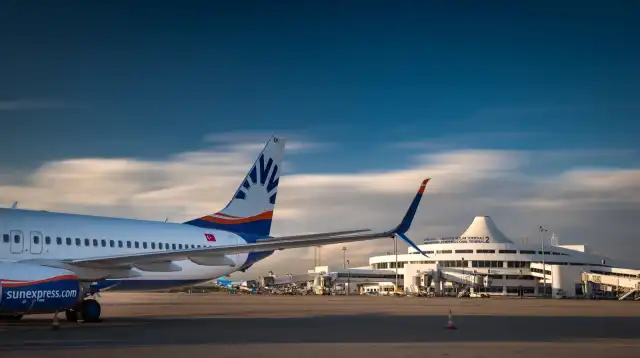
Rising oil prices have a direct impact on global tourism, influencing travel costs, transportation, and overall holiday pricing. As one of the world’s leading travel destinations, Turkey is closely affected by these changes, particularly in regions such as Antalya and Belek.
Impact on Flights and Travel Costs
Air travel is one of the most sensitive sectors to oil price
increases. Since jet fuel is a major expense for airlines, higher oil prices
often result in increased airfares.
For travelers visiting Turkey, this means:
Transportation and Transfers
Fuel price increases also affect transportation within
Turkey, including airport transfers, shuttle services, and tours.
As a result:
Effects on Hotels and Accommodation
Hotels are indirectly impacted by rising energy and supply
costs. This can influence:
Despite these factors, Turkey continues to offer competitive
pricing compared to other Mediterranean destinations.
Tourism Demand and Travel Trends
Higher oil prices can influence traveler behavior,
especially in price-sensitive markets. Some tourists may:
However, Turkey remains a strong choice due to its value for
money, high-quality resorts, and accessibility from Europe and the Middle East.
Conclusion
Rising oil prices affect many aspects of tourism in Turkey, from flights to hotel operations. While this can increase travel costs, Turkey continues to maintain its position as a top destination thanks to its diverse tourism offerings and competitive advantages.